For renters
Residents get lower bills, more control, clearer feedback, and a better way to compare apartments based on comfort, resilience, and energy performance.
 Contact
Civic Energy translates smart home and utility data from apartment buildings into two connected tools: a simple home interface for residents and a building intelligence layer for owners, utilities, and policymakers.
Renters get clearer energy feedback without another dashboard. Landlords and property managers get building performance signals that guide operations, retrofits, and tenant value.
Clean-energy upgrades need to work for the whole building. Civic Energy helps renters understand comfort, savings, and resilience while giving property owners clearer data for operations, retrofit planning, tenant value, utility coordination, and policy decisions.
Residents get lower bills, more control, clearer feedback, and a better way to compare apartments based on comfort, resilience, and energy performance.
Owners, developers, and property managers can identify where solar, storage, controls, and monitoring improve operations, tenant demand, retrofit planning, and long-term building value.
Utilities and policymakers can use aggregated building patterns to understand peak demand, distributed energy potential, incentive gaps, and housing energy standards.
Apartment-ready solar, storage, controls, and monitoring help residents reduce bills while giving landlords a clearer path to better operations, resilience, and building value.
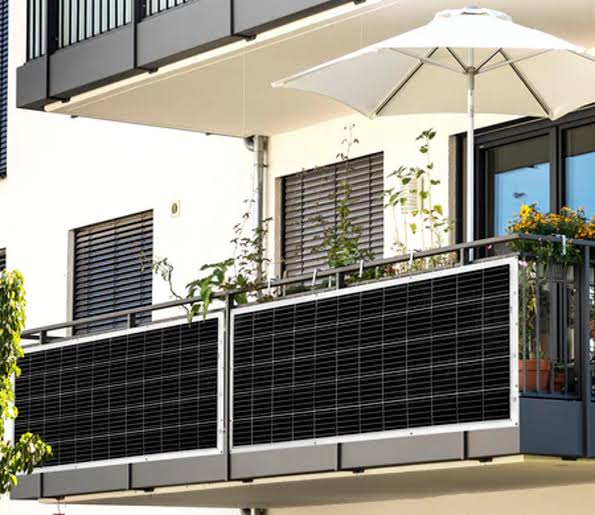
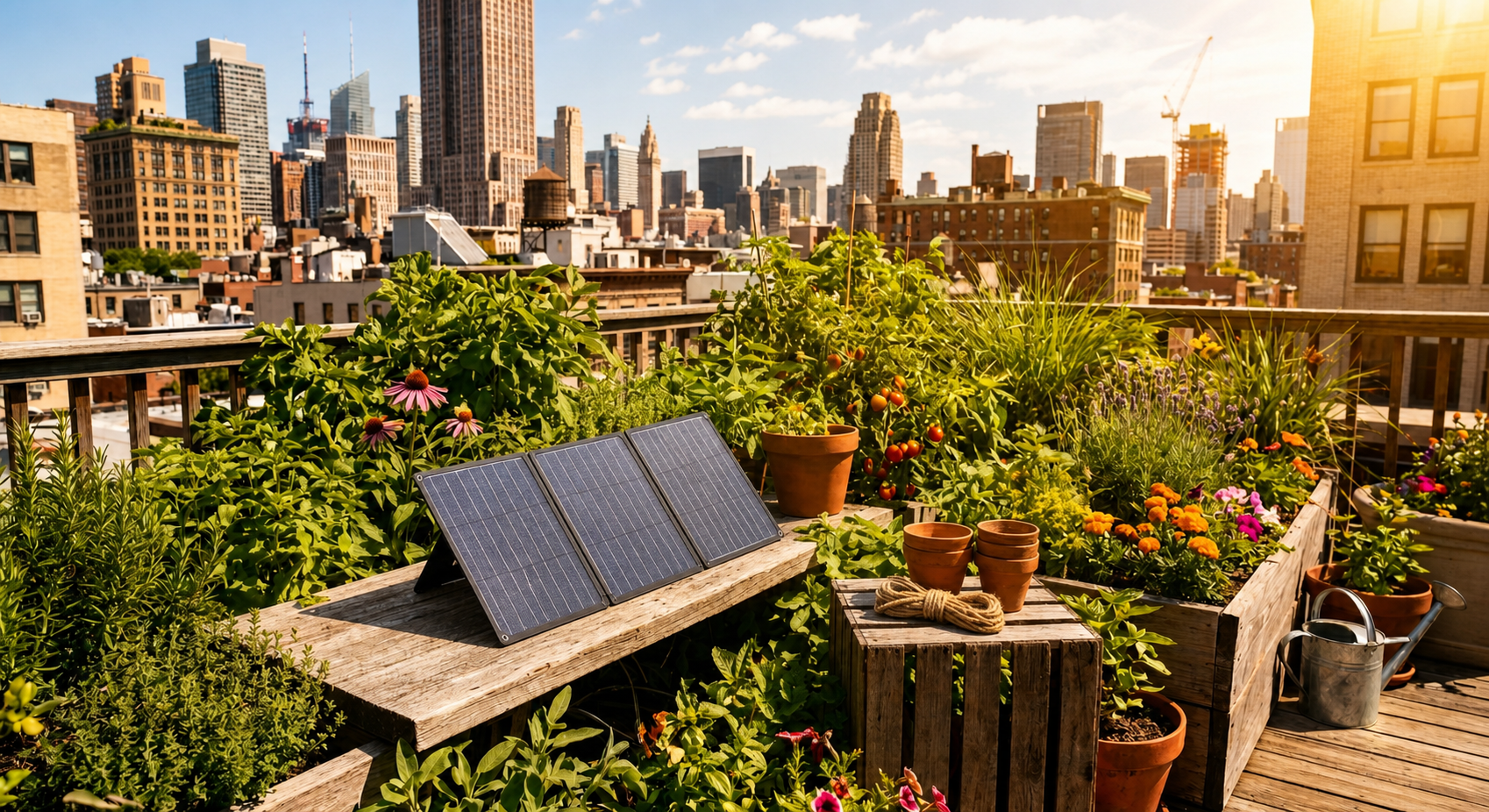
Rooftop, balcony, window, and shared building solar help apartments participate in clean generation.
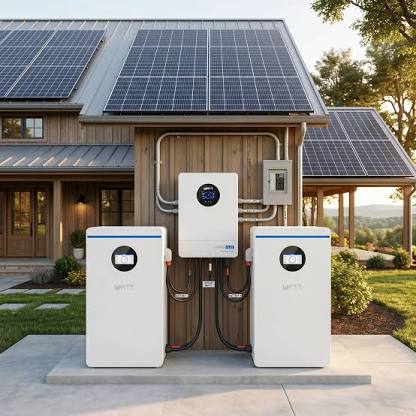
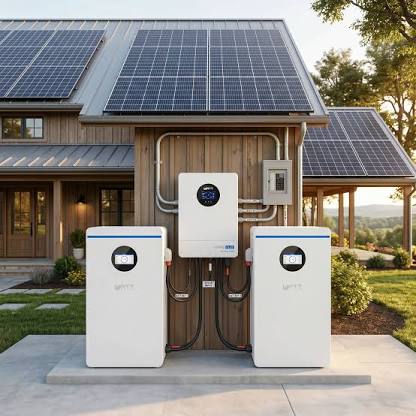
Storage supports peak-load management, resilience, backup power, and better use of distributed generation.
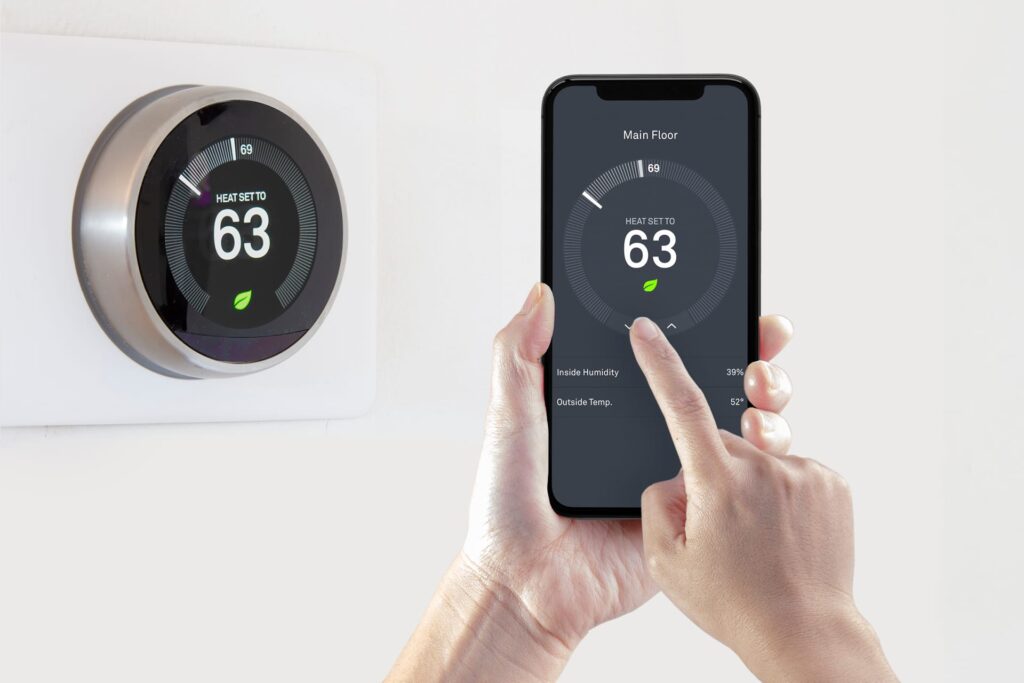
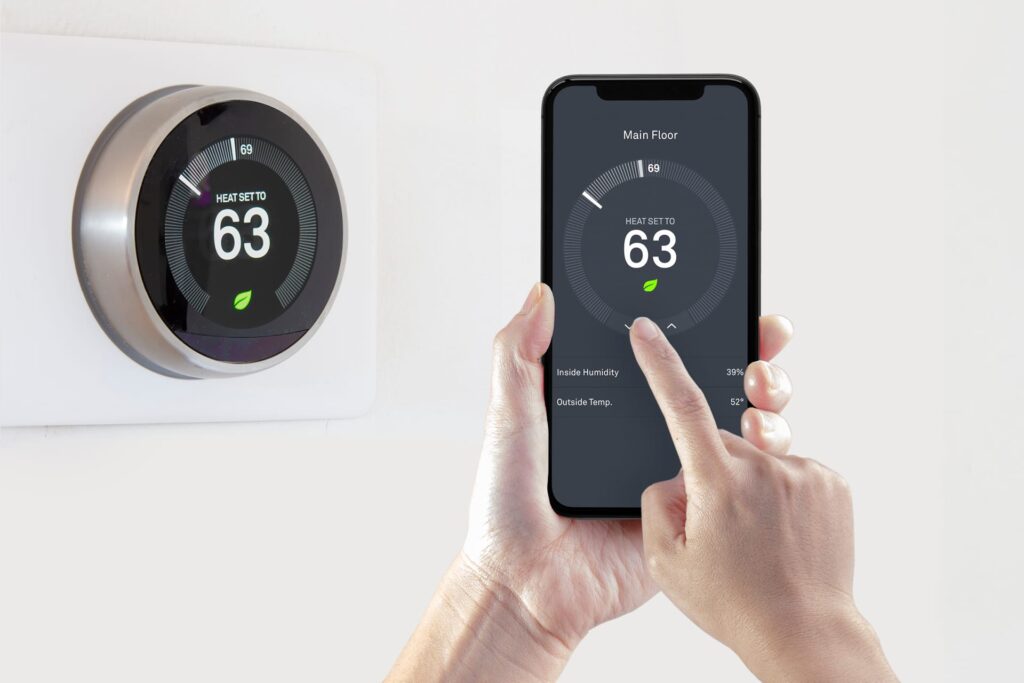
Nest-style sensing and subtle product feedback create a foundation for low-friction awareness, savings, and comfort.
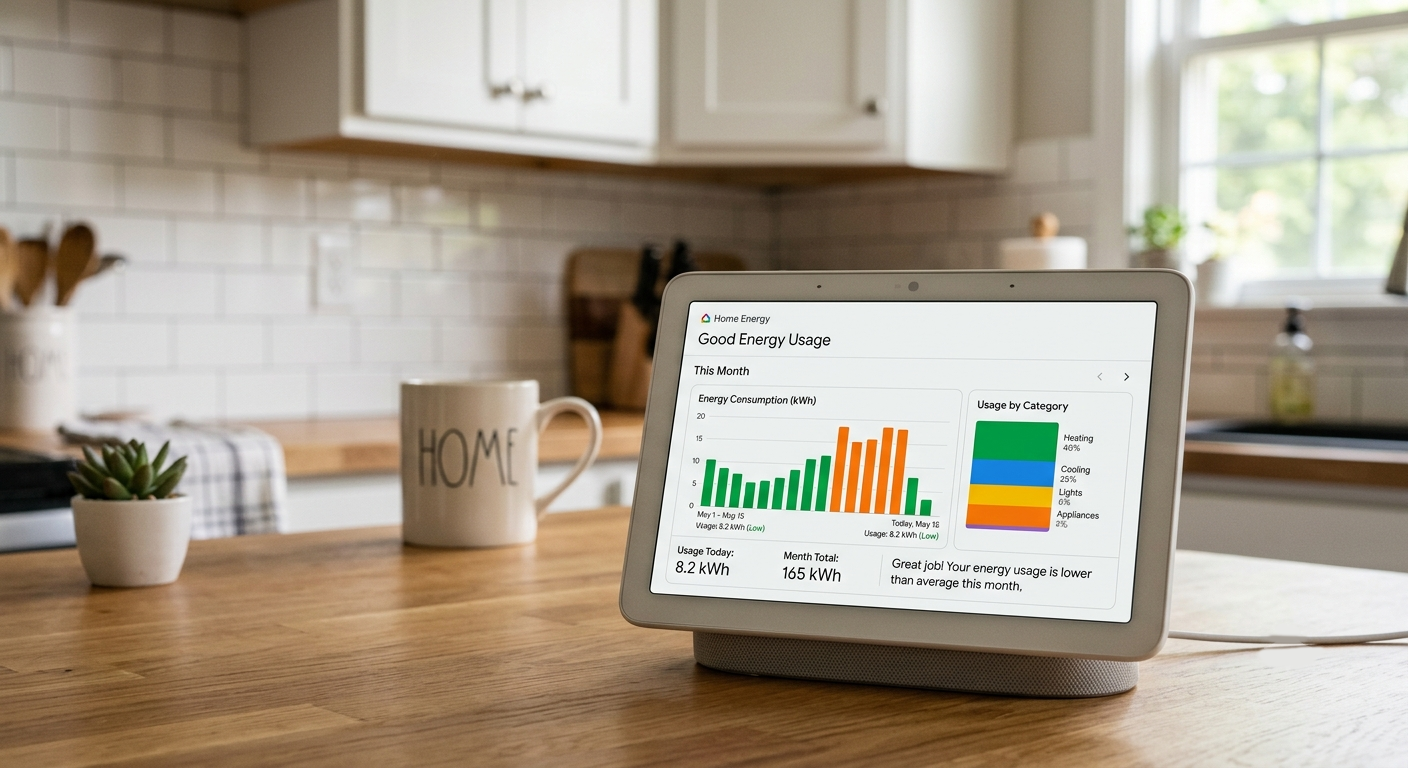
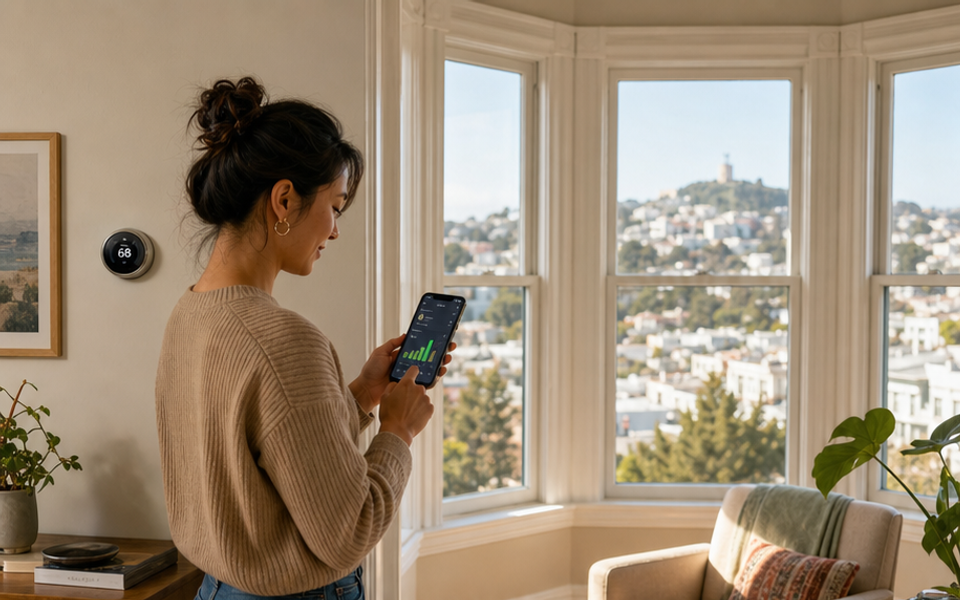
An intuitive experience helps renters see consumption, understand savings, and make better energy decisions in real time.
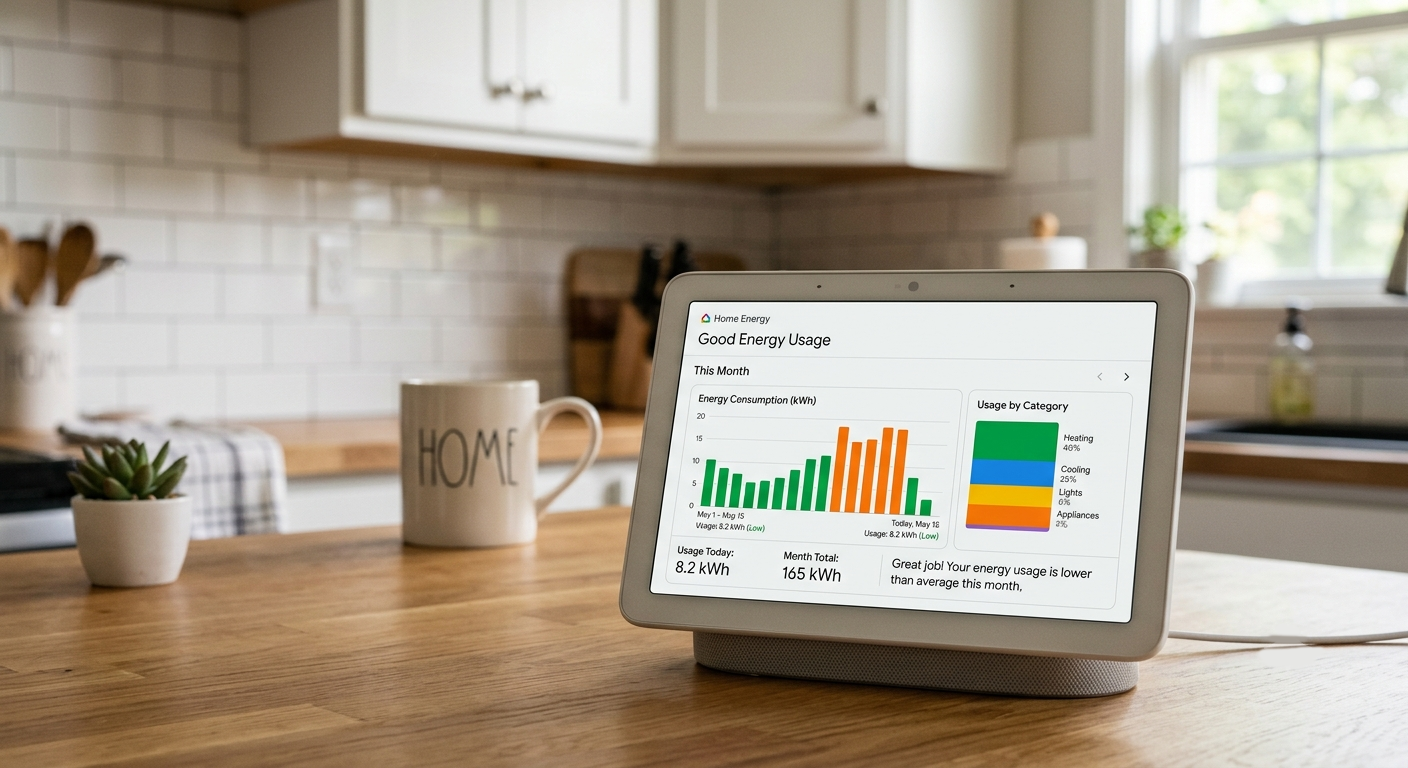
Civic Energy turns apartment-level data into building intelligence, then into decisions about operations, incentives, retrofits, and policy.
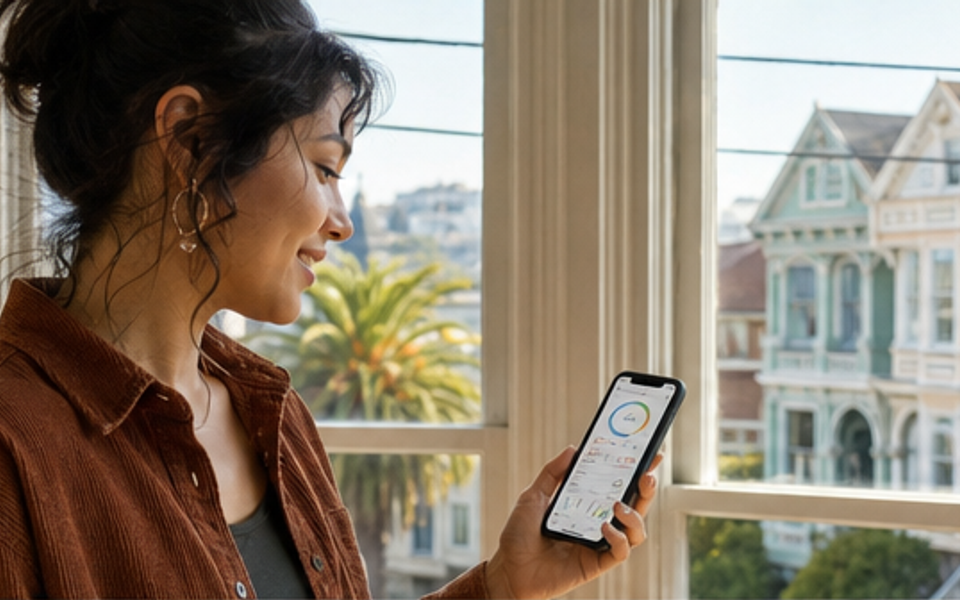
Smart home and utility signals reveal usage, timing, comfort, and energy stress across individual apartments.

Patterns across units show where demand spikes, where equipment wastes energy, and where upgrades matter most.
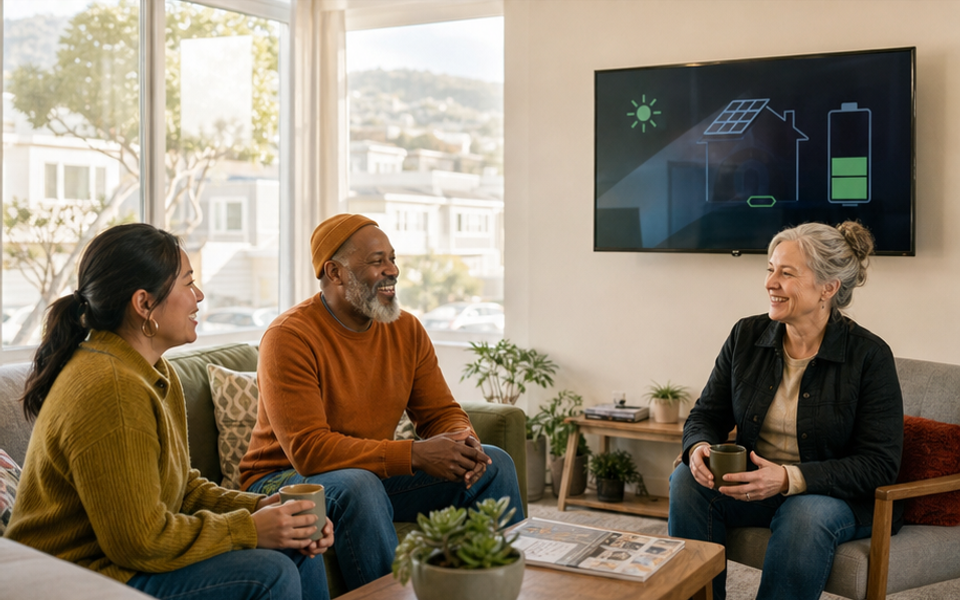
Credible insight can support utility planning, owner investment, energy standards, and incentive design.
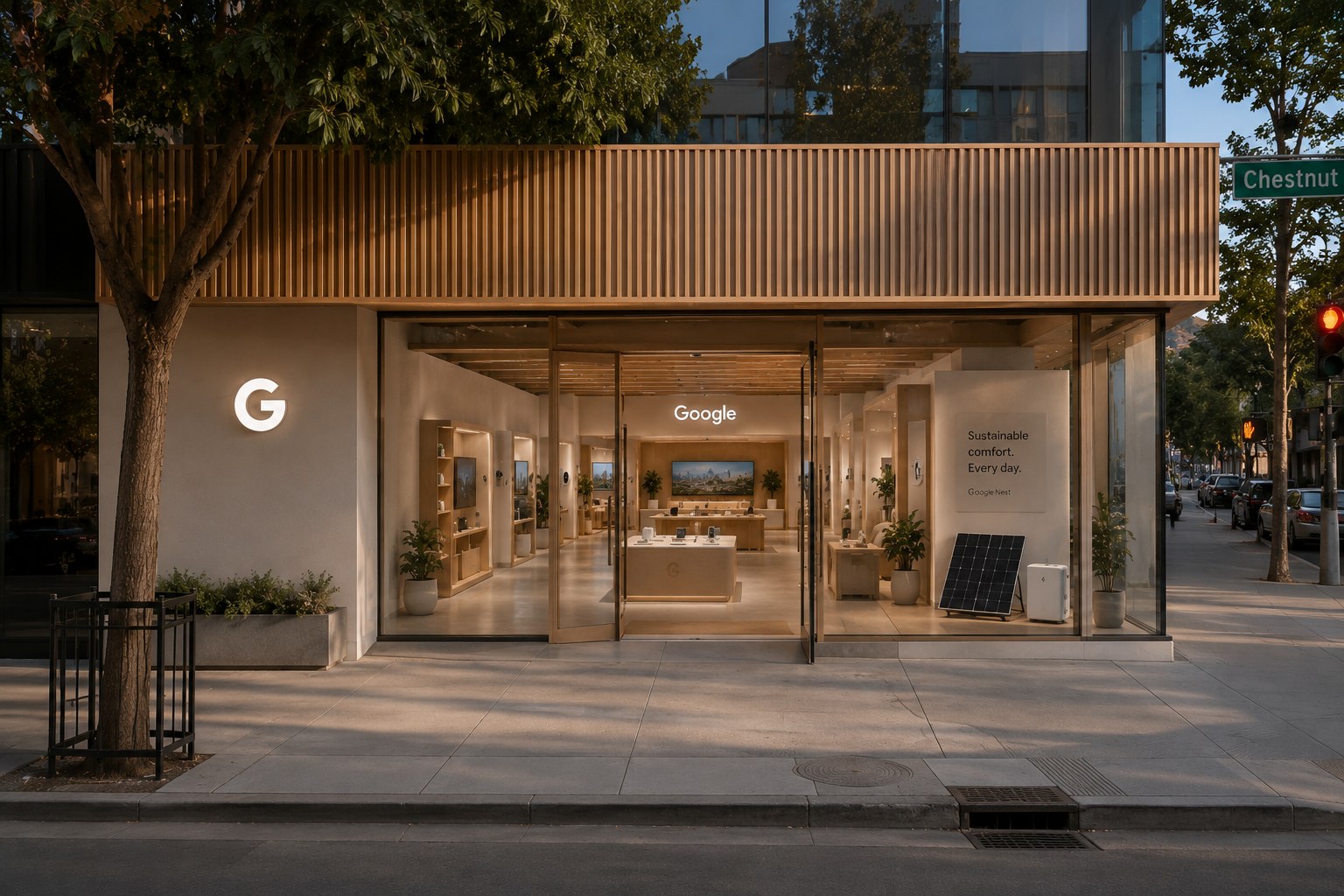
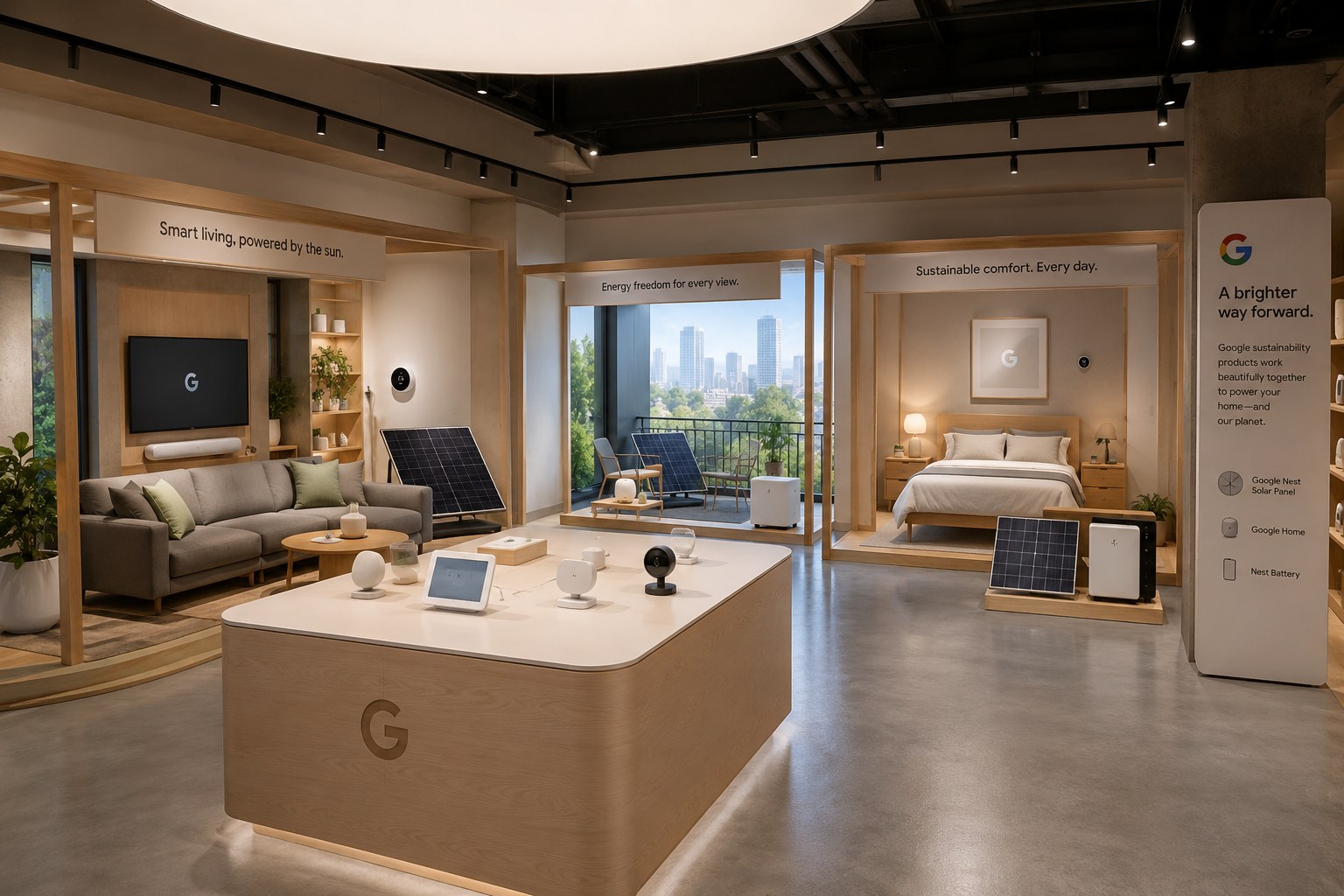
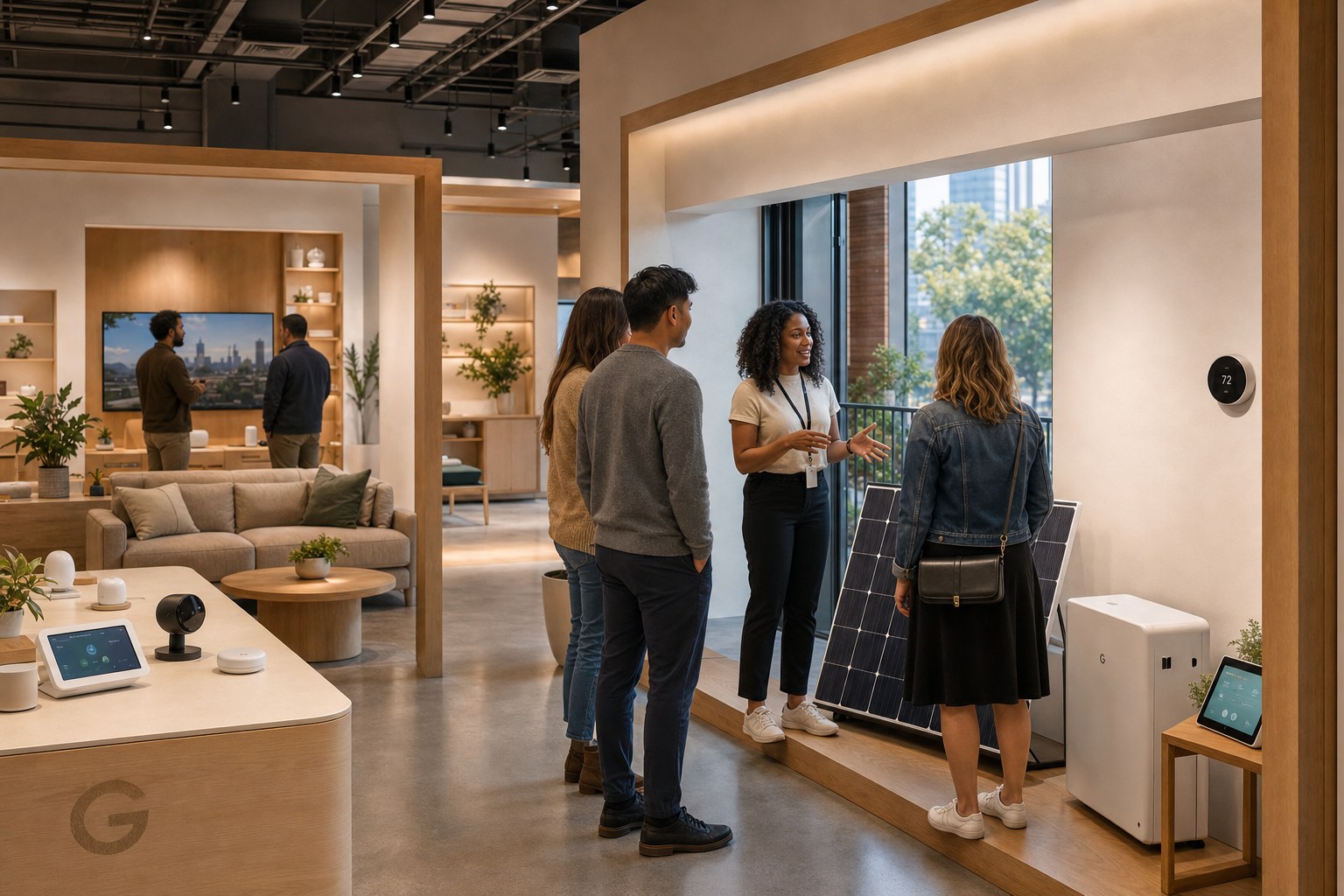
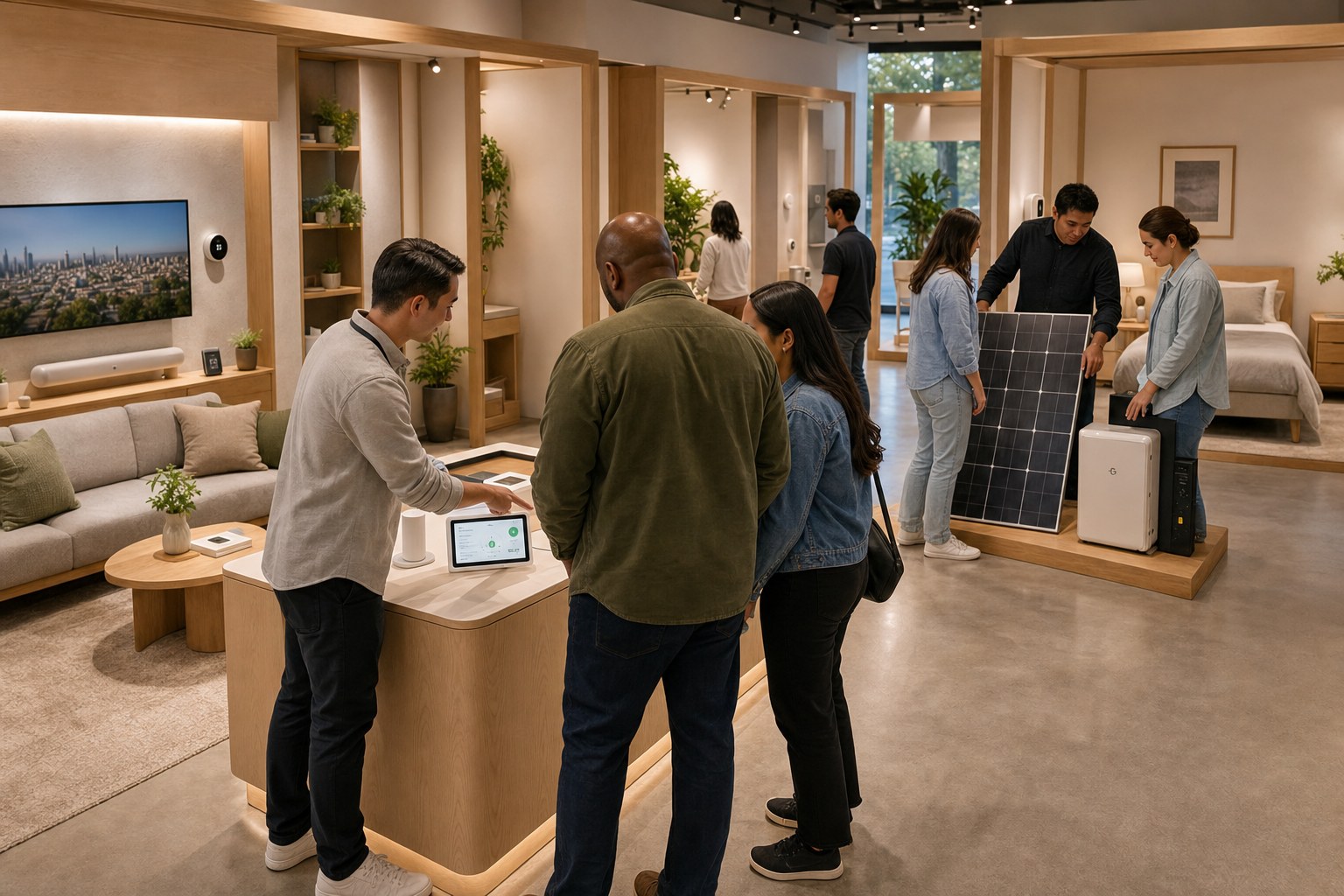
The Civic Energy offsite store turns solar, storage, Nest-style controls, and monitoring into a walk-through apartment experience. Visitors can test resident-facing feedback and building-level energy insights before choosing a home or planning a retrofit.
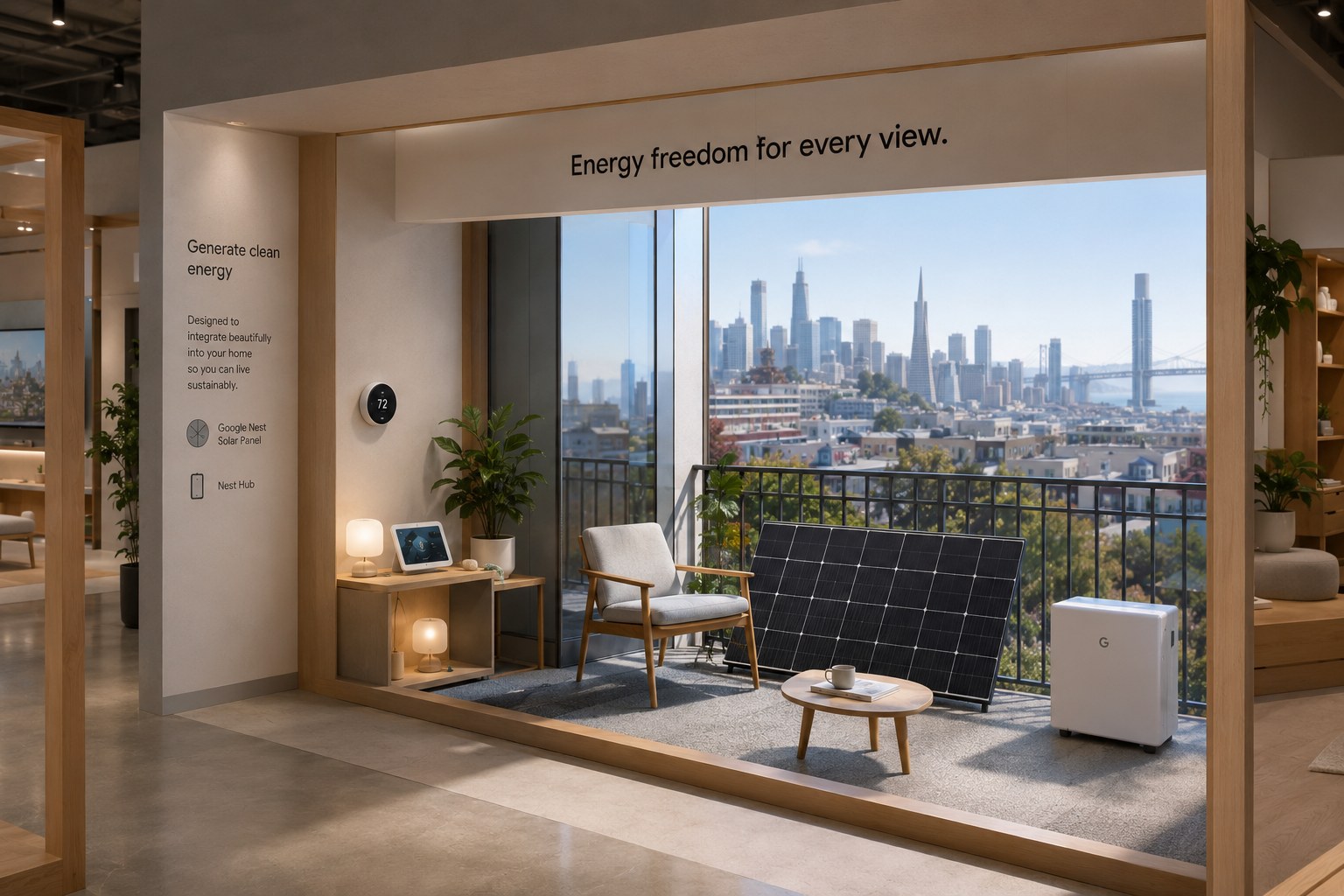

Browse San Francisco apartments with visible building energy features. The apartment finder helps renters compare solar access, storage, monitoring, green score, estimated savings, comfort, and resilience.
Two ways to bring Civic Energy into apartment living.
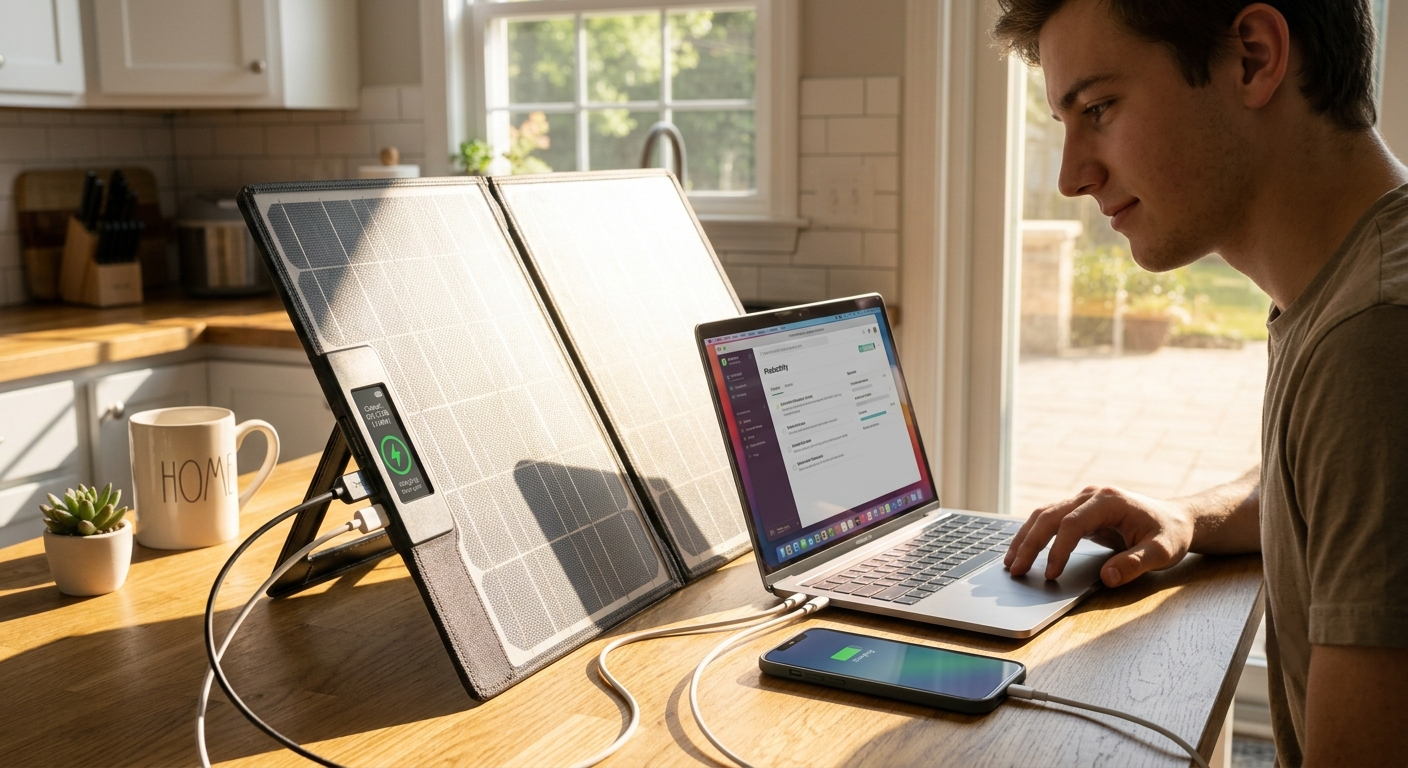
Movable solar for renters and residents who want savings, backup power, and simple everyday use.
Step 1
Civic Energy Monitor reads real-time electricity use and sends it to the Google Nest energy dashboard.
Step 2
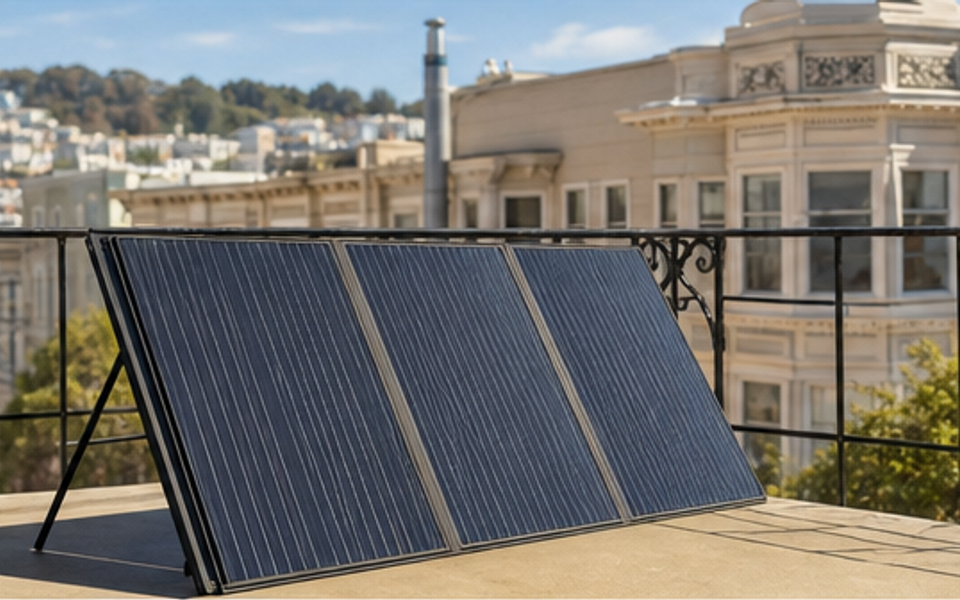
Place your portable solar where it can receive sunlight and store energy for later use.
Step 3
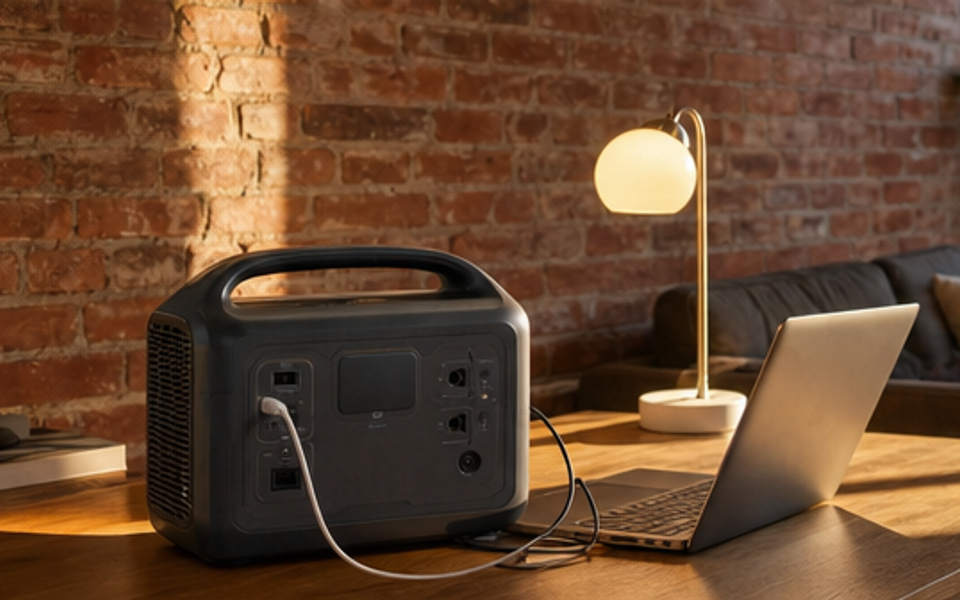
Connect your electrical appliances, devices, or gadgets directly to use stored solar power.
Step 4
View battery level, energy produced, estimated savings, and reduced grid use.
Portable solar is best for movable use, backup power, and selected energy needs. Plug-in balcony solar depends on local rules and safety standards.
Different ways renters and residents can access solar without a full building installation.
California policy pathway for portable solar generation devices.
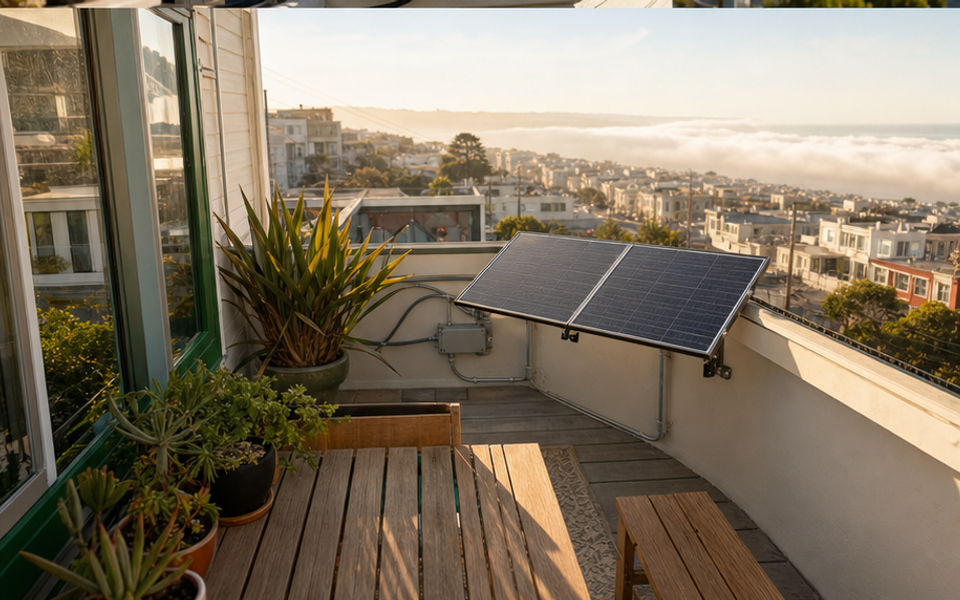
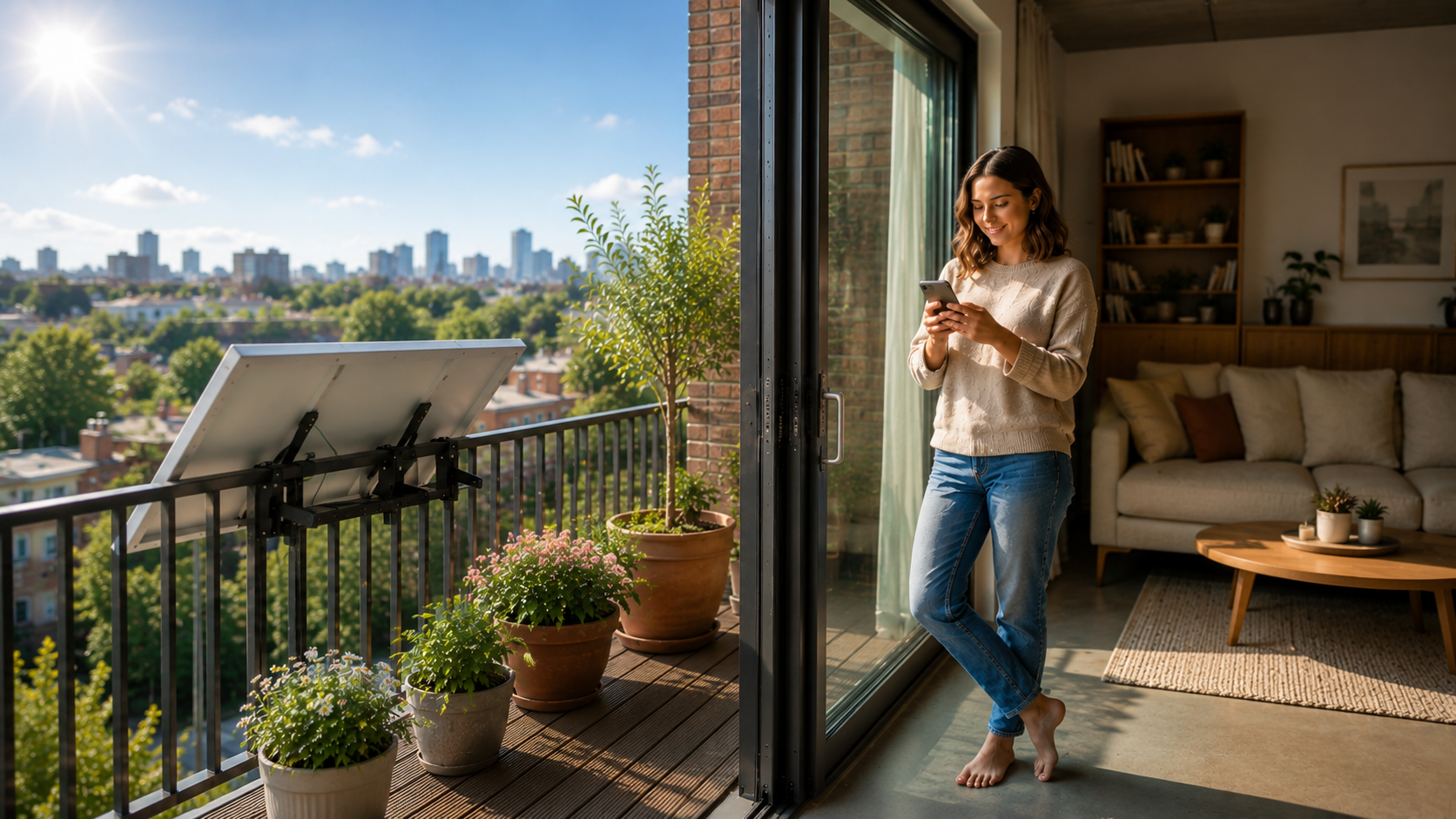
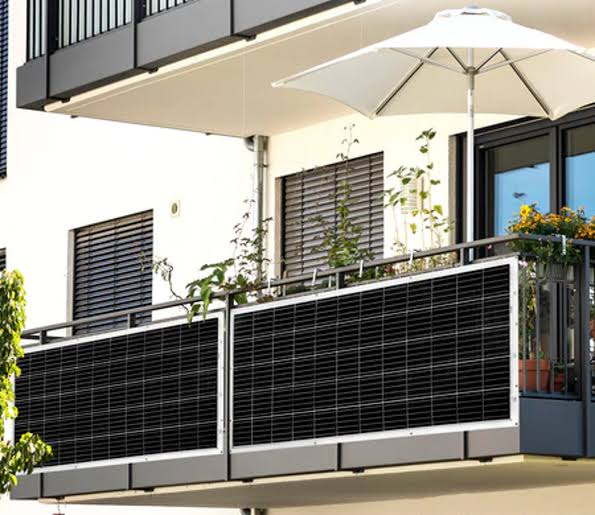
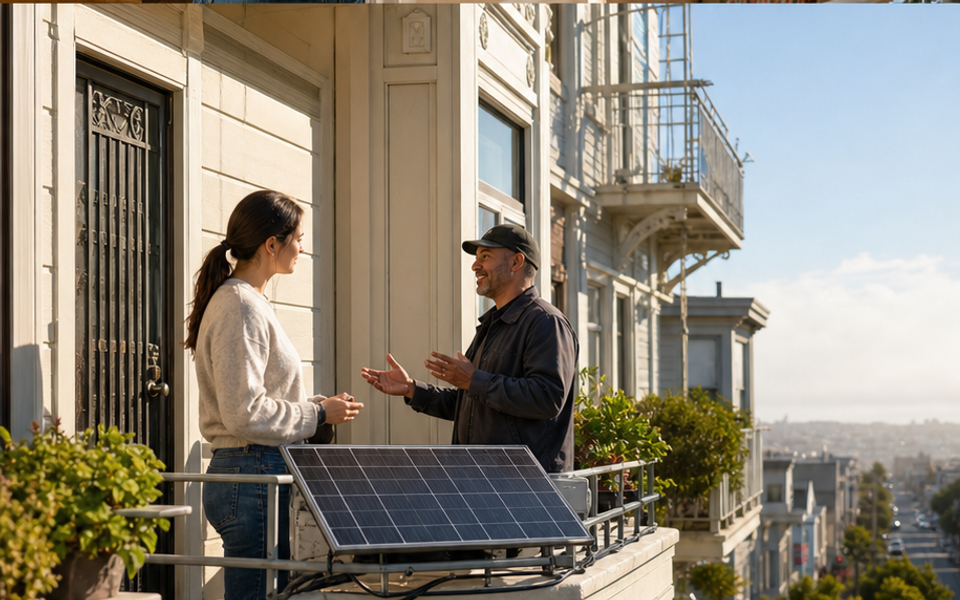
Panels designed for balcony or patio use where local rules allow.
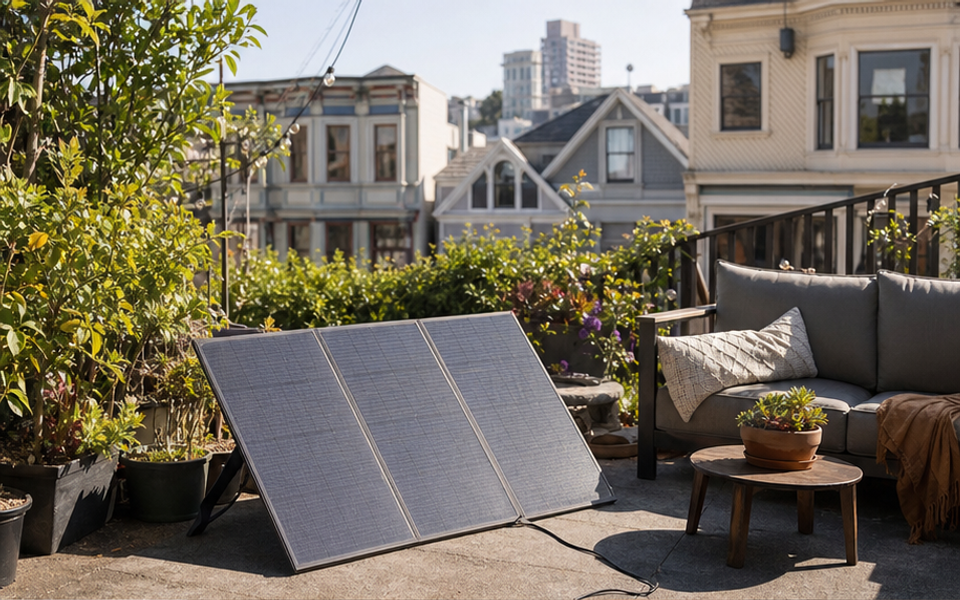
Movable solar panel that can be placed near sunlight and used with a power unit.
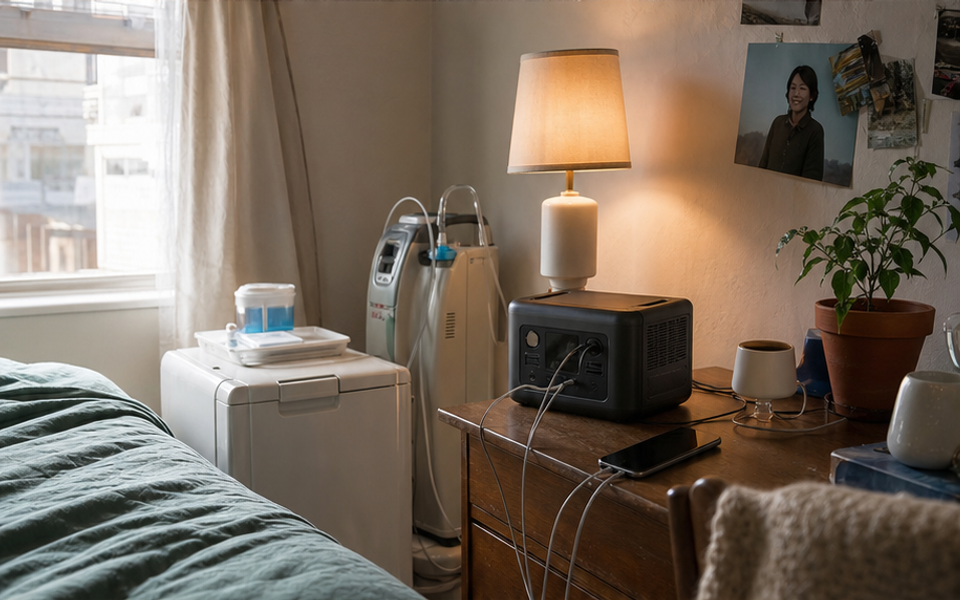
Portable battery system that stores solar energy for later use.
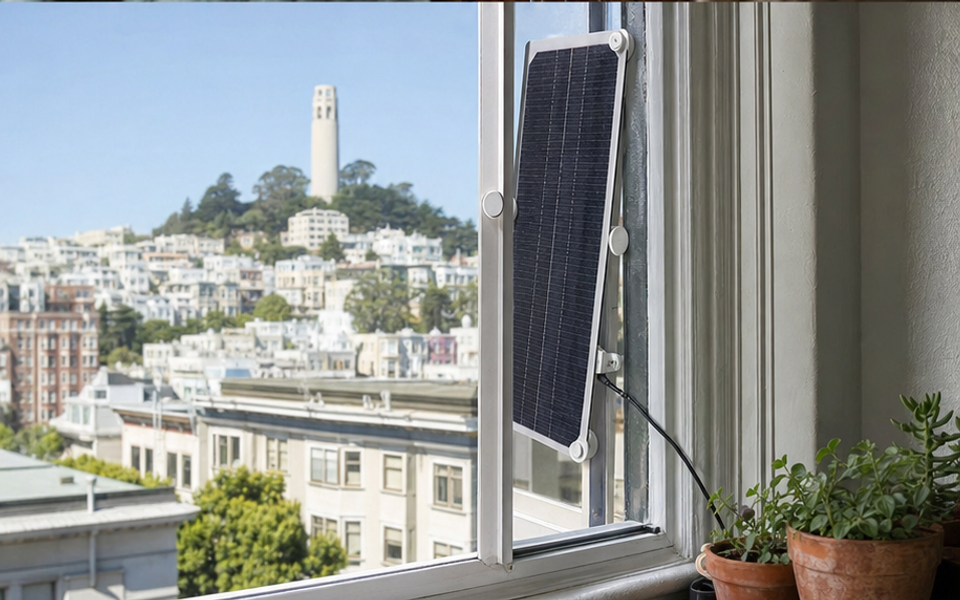
Compact solar option designed for apartment windows or sunny indoor edges.
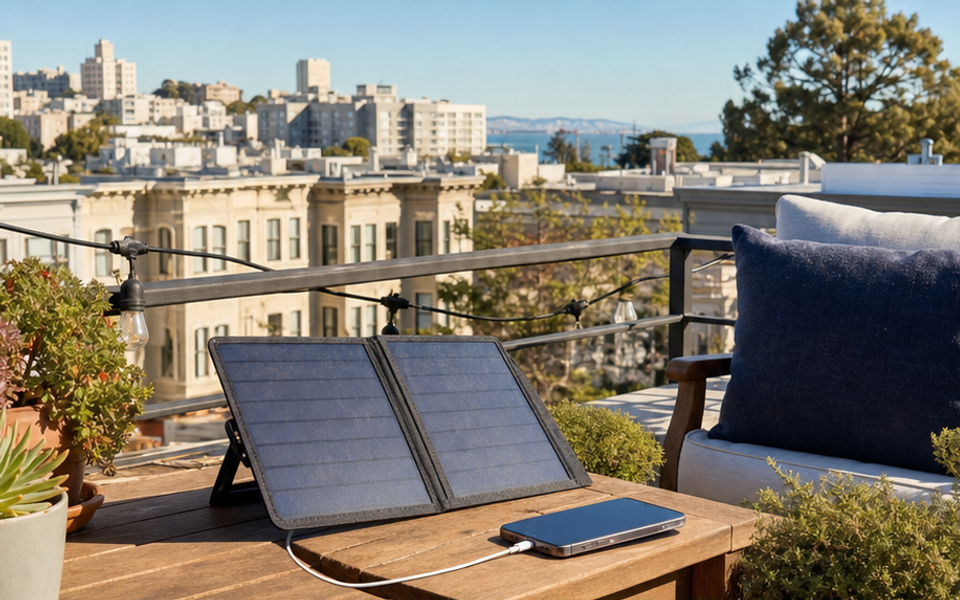
Lightweight solar option for flexible charging and backup use.
Examples are for prototype testing. Availability, safety rules, and installation requirements may vary.
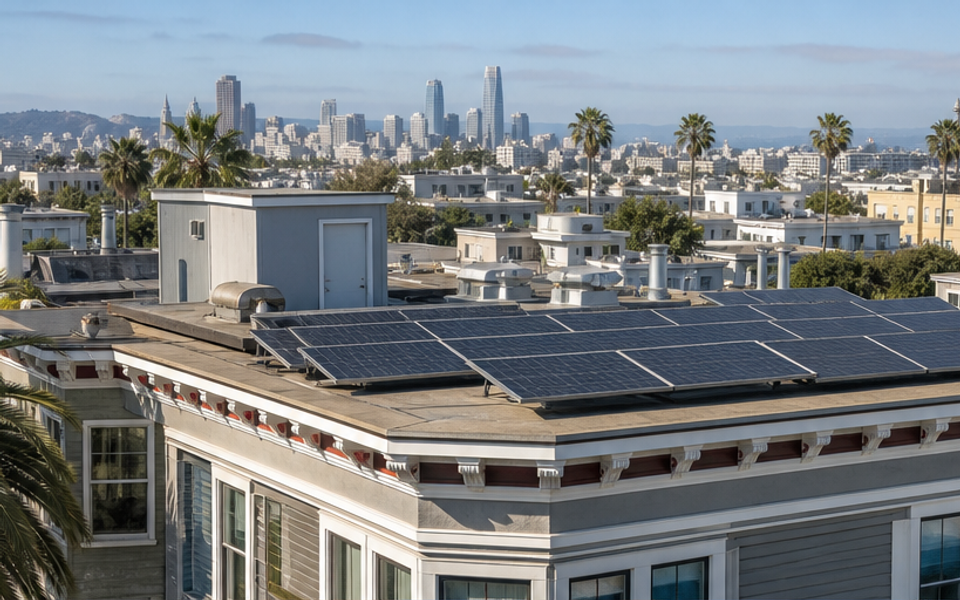
Professionally installed solar for apartment owners, facility managers, and building-wide energy savings.
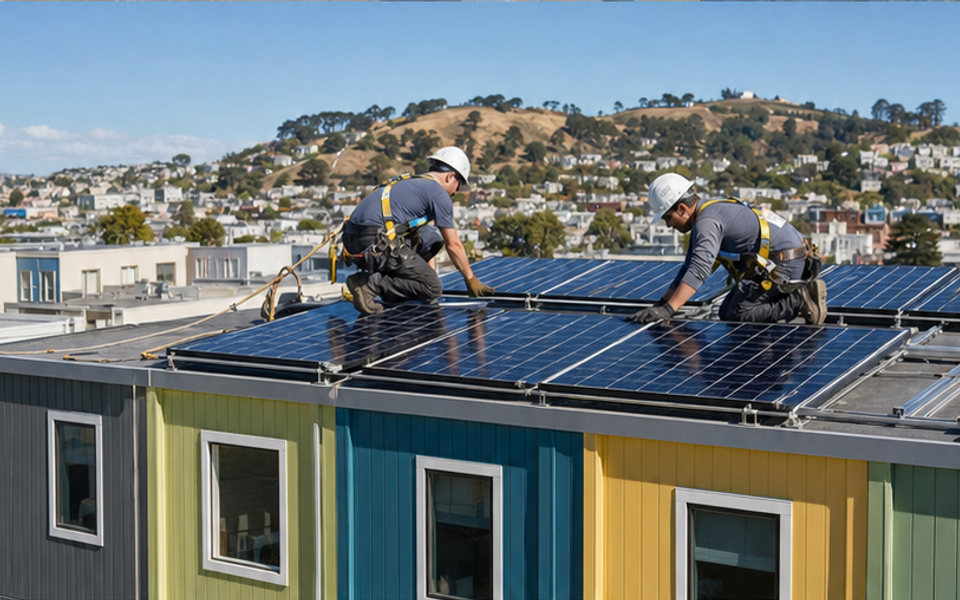
Step 1
Solar is installed on the roof, windows, facade, or approved building surface.
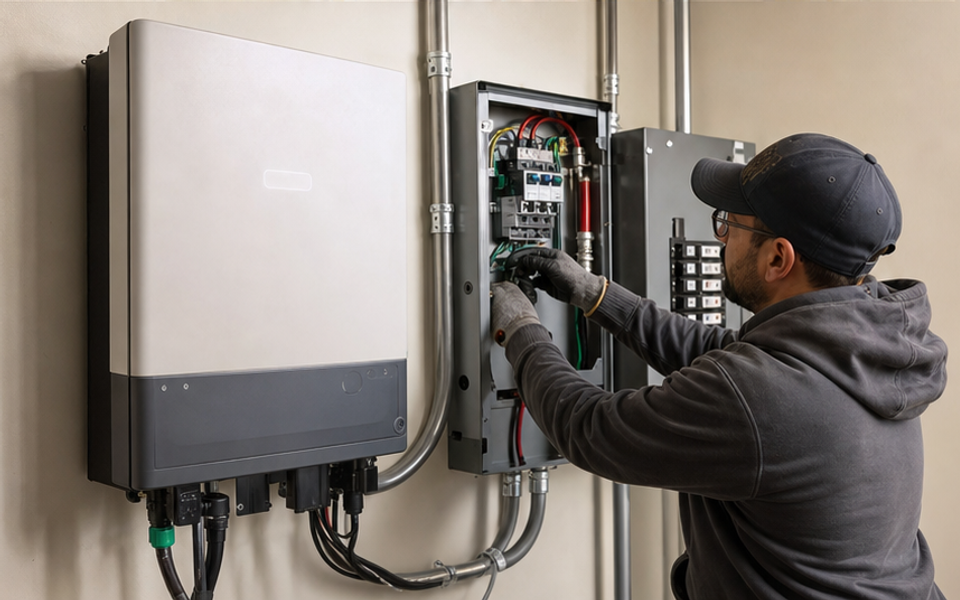
Step 2
The system connects to an inverter, electrical panel, meter, or approved energy infrastructure.
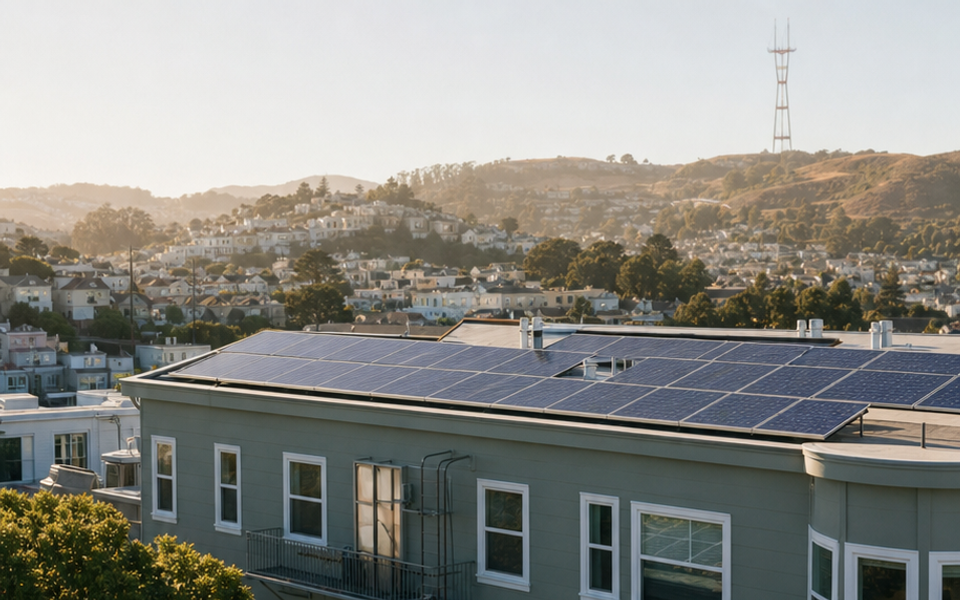
Step 3
The building uses available solar power, while Pacific Gas and Electric (PG&E) or grid electricity fills the gap automatically.
Step 4
Civic Energy Monitor sends real-time electricity use to the Google Nest energy dashboard.
Step 5
Owners see building value and energy performance. Renters see savings, usage insights, and cleaner apartment living.
Users do not manually switch between solar and Pacific Gas and Electric (PG&E). The system uses solar when available and pulls from the grid when needed.
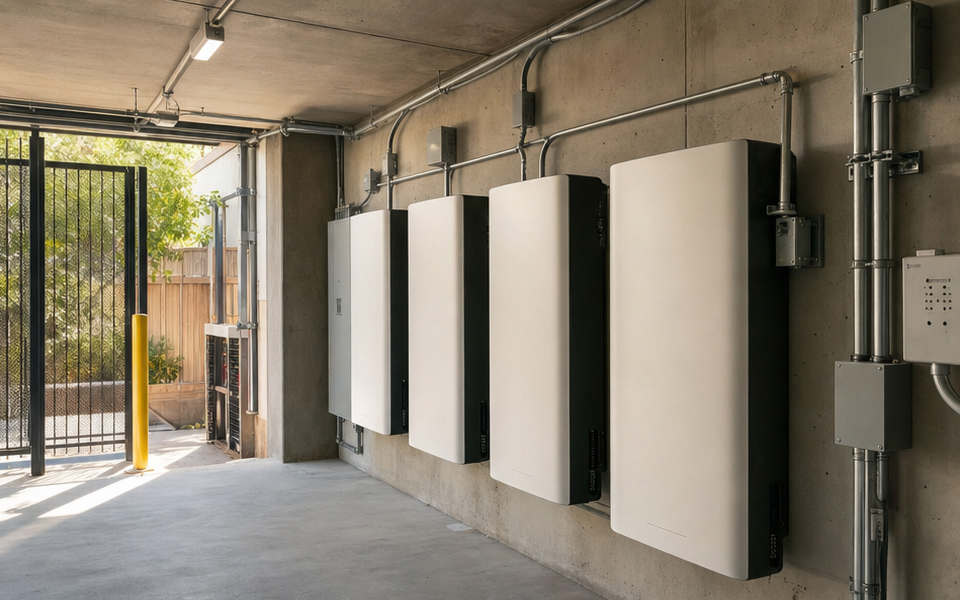
Building-level systems that require professional setup.
Solar panels installed on the building roof.
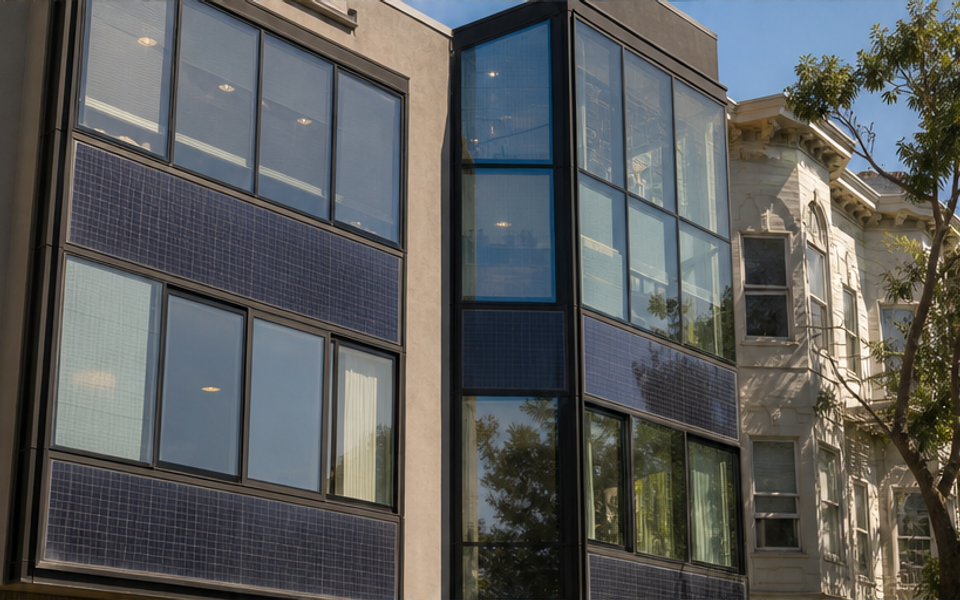
Solar glass or window-based systems that generate energy from building windows.
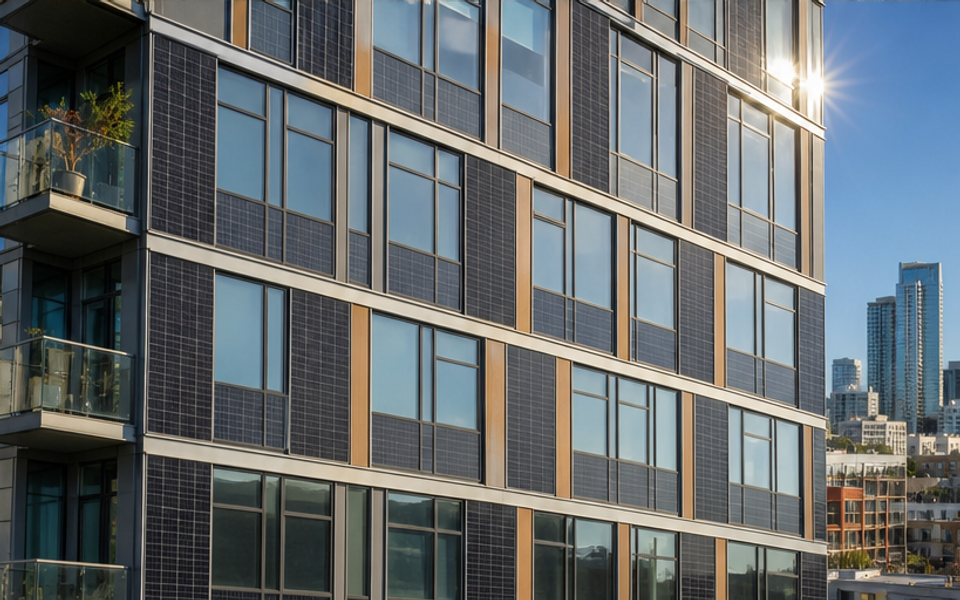
Solar integrated into exterior building surfaces.
Stores solar or grid energy for later use, peak hours, or outages.
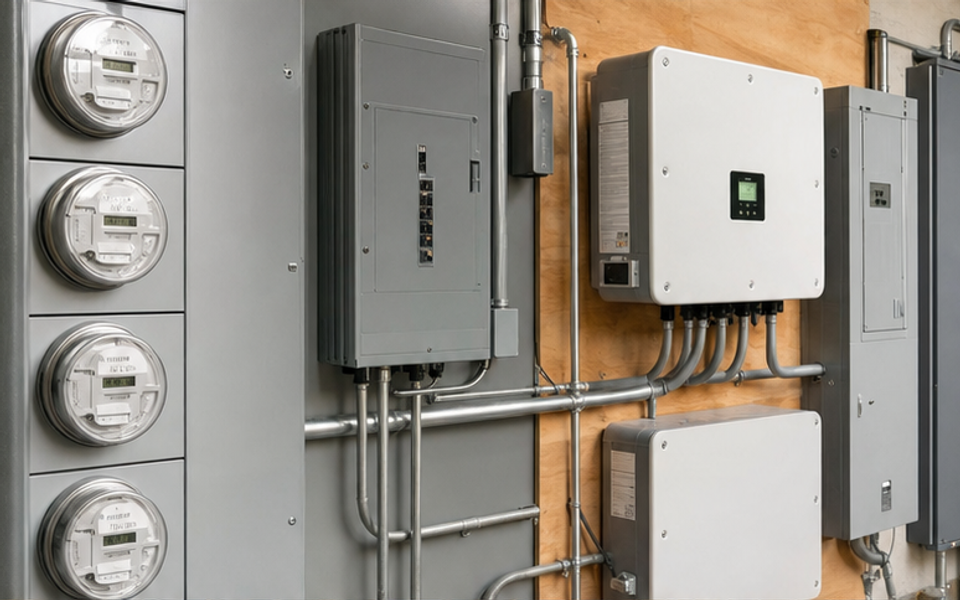
Solar connected to the building meter and electrical system.
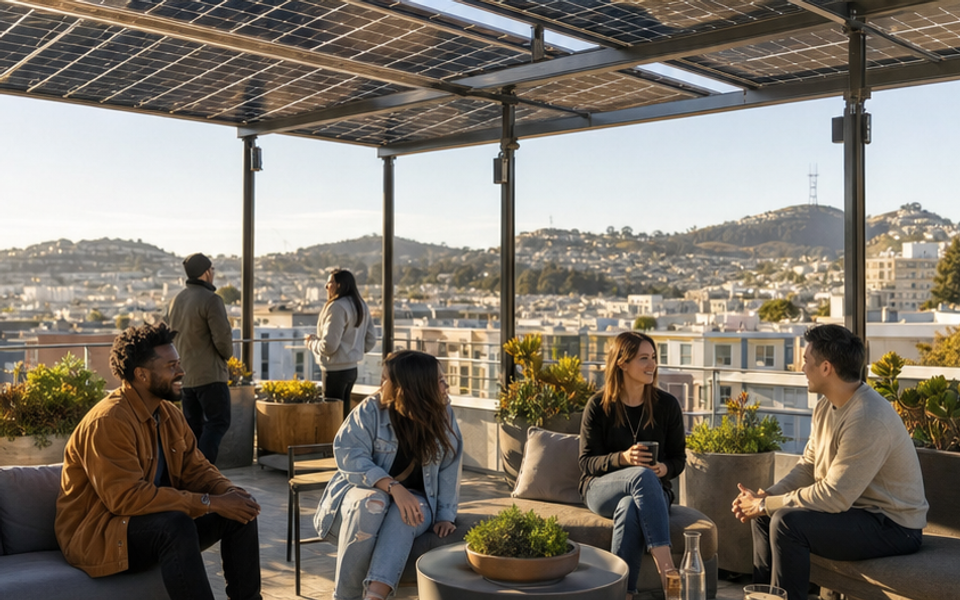
Solar that supports common areas, shared loads, or tenant energy credits.
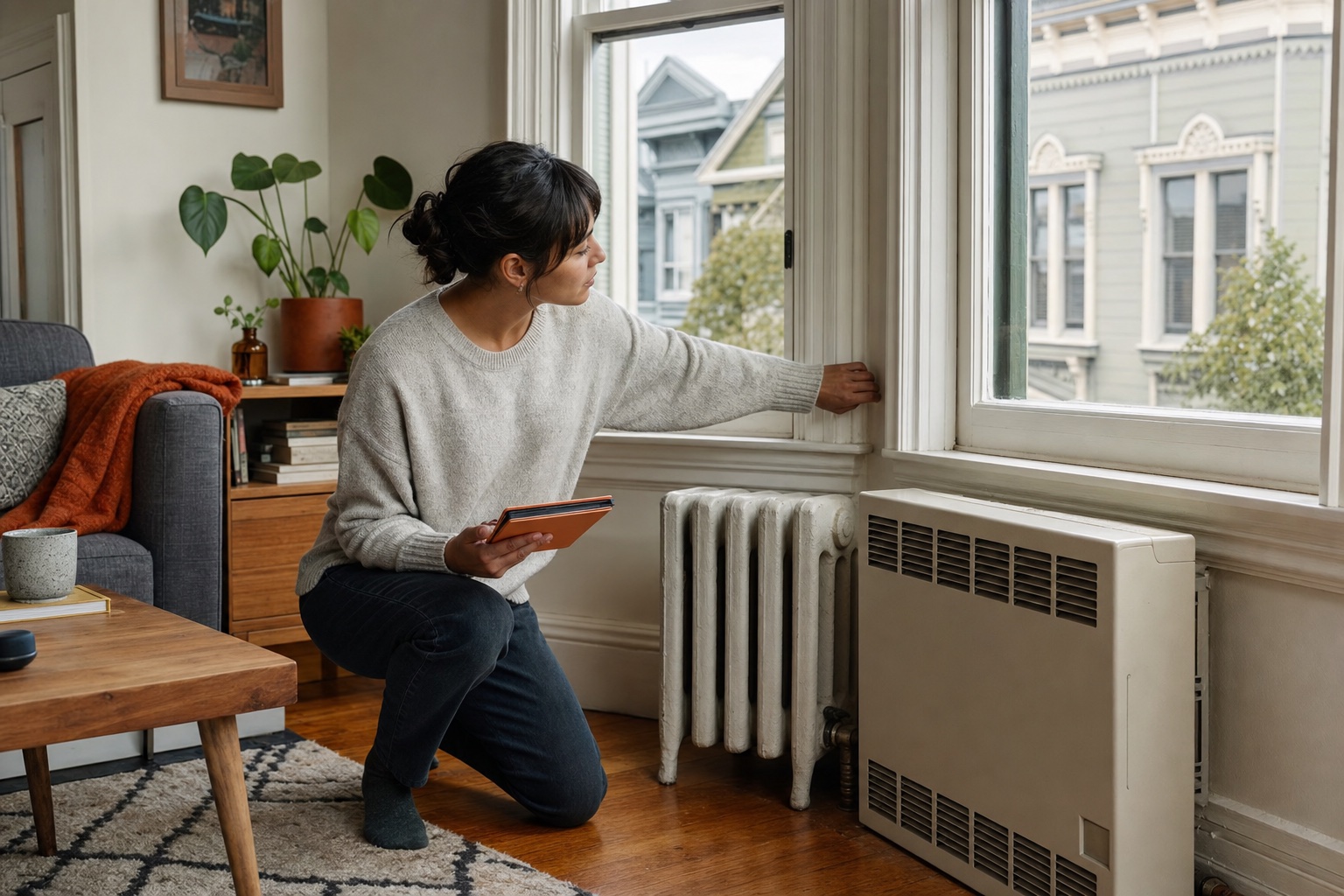
Use these renter-friendly proof points when inviting an owner to explore solar, weatherization, electrification, or financing.

Start with the outcome you need. The right equipment or building improvement comes next.
Reduce wasted energy and explore cleaner power that may lower household or common-area costs.
Address drafts, extreme temperatures, indoor air concerns, and inefficient heating or cooling.
Keep essential devices running and make the building safer during extreme weather or grid interruptions.

Bring neighbors, evidence, policy, and a clear next step into the same landlord conversation.
Civic Energy turns complicated building decisions into concrete next steps, credible resources, and resident-centered safeguards.

“I did not need to become an energy expert. The checkup helped turn high bills and drafty rooms into a short list of facts a property manager could actually evaluate.”

“The most useful part was having a first step: review the equipment, check incentives, and set a response date. That made a building upgrade feel possible.”

“Seeing the rebate and policy sources in one place made the project feel real. We could bring our HOA a documented proposal instead of a vague idea.”
Illustrative testimonials based on common Bay Area renter goals. Stock photography does not depict actual Civic Energy participants or imply endorsement.
Prepare before you send a message: identify the decision-maker, gather the facts you have, bring a few practical questions, and propose one achievable next step.

Confirm whether the landlord, property manager, homeowners association (HOA), or another party controls the equipment and can approve an assessment or improvement.
Frame solar, insulation, efficient heating, ventilation, and air conditioning (HVAC), and appliance upgrades as ways to make the building more durable, comfortable, and marketable.
Check whether the owner has reviewed High-Efficiency Electric Home Rebate Act (HEEHRA) rebates, the Low-Income Weatherization Program (LIWP), Solar on Multifamily Affordable Housing (SOMAH), GoGreen Multifamily, utility rebates, and local technical assistance.
Solar and energy retrofits can lower common-area costs, improve resilience, reduce tenant complaints, and make the property future-ready.
Use what you gathered above to request one action, a response timeline, and clear benefits for residents.
If a homeowners association controls the exterior, electrical work, or shared property, approach the board with a documented proposal and a practical path to approval.
Identify the restriction, then review the bylaws, architectural standards, insurance requirements, and approval process.
Prepare safety and installation documents, estimated costs, available incentives, and benefits for residents and the property.
Find supportive neighbors, create a shared statement or petition, and request placement on a board agenda.
Record the board's response, commitments, and deadlines. If the first proposal is rejected, identify what revision or alternative could qualify.

These are the links renters can send so the conversation is grounded in existing rules, official programs, or active policy signals.
California requires owners of commercial and multifamily buildings over 50,000 square feet to report annual energy use. Multifamily buildings with 17+ utility accounts report by June 1.
California Energy Commission (CEC) benchmarkingCalifornia law gives qualifying tenants a pathway to request EV charging in an allotted parking space, showing that rental housing already has clean-infrastructure access rules.
Civil Code sectionCalifornia's 2025 Energy Code applies to permit applications on or after January 1, 2026, and keeps pushing buildings toward efficiency, heat pumps, solar, storage, and demand flexibility.
2025 code summarySenate Bill 868 (SB 868) is a renter-access solar signal, not settled law. It points toward rules for small portable solar devices up to 1,200 watts (W) that can connect through a receptacle.
Track Senate Bill 868 (SB 868)Senate Bill 222 (SB 222) would make heat pump heating, ventilation, and air conditioning (HVAC) and heat pump water heater permitting more predictable, which helps owners plan replacements instead of waiting for emergency equipment failures.
Track Senate Bill 222 (SB 222)PG&E's Energy Savings Assistance Program offers qualifying renters and homeowners no-cost efficiency improvements. Depending on the home assessment, support may include refrigerators, lighting, weatherization, furnaces, or heat pump water heaters. The home or apartment must generally be at least five years old, and income rules apply.
Check PG&E eligibilityBayREN's Bay Area Multifamily Building Enhancements (BAMBE) program provides no-cost technical assistance and rebates for qualifying Bay Area multifamily properties. Rebates start at $500 per unit and may support insulation, windows, heating and cooling, heat pump water heaters, electrification, and other in-unit or common-area upgrades. Funding must be reserved before work begins.
Share BayREN with the property teamCalifornia's High-Efficiency Electric Home Rebate Act (HEEHRA) program may provide income-qualified multifamily properties with rebates for heat pumps, heat pump water heaters, electric cooking equipment, heat pump clothes dryers, wiring, and electrical panels. Funding and reservation status vary, so the property team should confirm availability and receive approval before starting work.
Review current HEEHRA statusIf public incentives are used, renters can request clarity on how tenants will benefit through lower bills, better cooling, healthier indoor air, EV access, solar credits, or resilience.
Add to messageOwners usually care about upfront cost, vacancy risk, compliance risk, and long-term value. Renters can speak to all four while keeping tenant benefits central.
California's home energy rebate work includes High-Efficiency Electric Home Rebate Act (HEEHRA) electrification rebates that can help income-qualified multifamily properties reduce upgrade costs.
California Energy Commission (CEC) rebate programsCalifornia's Low-Income Weatherization Program (LIWP) multifamily component reports an average 40% reduction in energy use for participating properties.
Low-Income Weatherization Program (LIWP)For eligible affordable multifamily housing, Solar on Multifamily Affordable Housing (SOMAH) supports solar and storage projects designed to share benefits between tenants and property owners.
California Public Utilities Commission (CPUC) SOMAHGoGreen can finance up to 100% of eligible project costs for affordable and market-rate multifamily properties with five or more units.
GoGreen financingEncourage owners to plan for old gas water heaters, heating, ventilation, and air conditioning (HVAC), inefficient lighting, and appliances before emergency replacements lock in another fossil-fuel cycle.
Energy upgrades can become a listing advantage for renters concerned about bills, heat waves, indoor air, outages, EV access, and climate impact.
Renters have historically been locked out of solar. Without a roof to install on or a landlord willing to invest, going solar felt out of reach. New laws, new technology, and new programs are changing that.
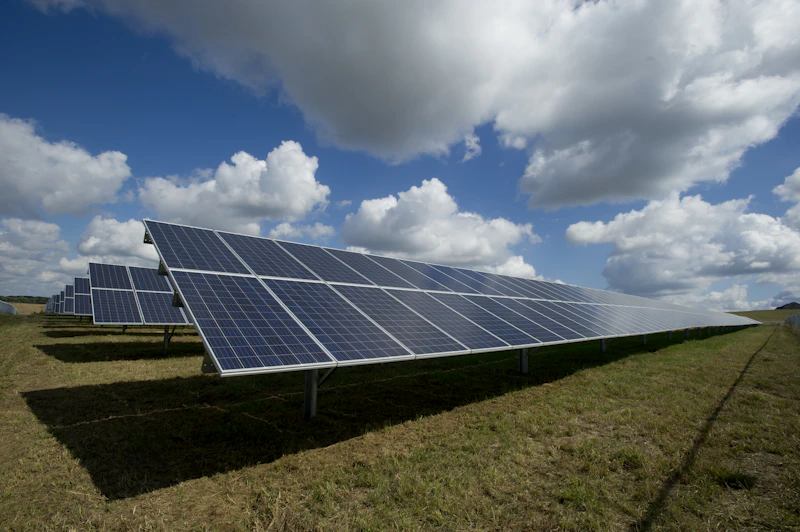
Balcony and portable solar can help renters access clean power where local rules, building safety, lease terms, and equipment standards allow. Senate Bill 868 (SB 868) is a policy signal to watch, not settled law.

Developed by companies like NEXT Energy Technologies, transparent photovoltaic films can be applied directly to existing window glass, generating electricity while still letting in natural light. No drilling, no structural changes, no rooftop required.

Subscribe to a share of an off-site solar farm and receive a credit on your monthly electric bill based on the energy it produces. No installation, no equipment, and no roof access needed.

Portable battery units store solar energy, whether your own or from a community subscription, for use during evenings, peak pricing hours, or grid outages, giving renters reliable backup power.
Browse registered buildings across the city. Every listing includes the full system set.
From local utility discounts to federal tax credits, renters in San Francisco have more ways than ever to save money while reducing their carbon footprint.
Income-eligible households receive an automatic monthly discount of 20–35% through Pacific Gas and Electric's (PG&E) California Alternate Rates for Energy (CARE) or Family Electric Rate Assistance (FERA) programs.
Enroll through the San Francisco Public Utilities Commission (SFPUC) CleanPowerSF program to source electricity from cleaner renewable generation at competitive rates.
A city-coordinated initiative that helps renters navigate landlord approvals, permitting, and installation for balcony and plug-in solar systems.
Claim a 30% federal tax credit on the cost of qualifying solar and battery storage equipment, including portable balcony solar systems.
A state rebate program that lowers the upfront cost of qualifying solar installations for eligible households.
A policy-watch bill focused on renter-accessible plug-in solar. Confirm bill status before using it as part of a landlord request.
Incentive availability and amounts are subject to change. Consult a licensed energy advisor for personalized guidance.
Tap any card to reveal the details. Short summary first, the full picture only when you want it.
A California bill to make small, portable plug-in solar devices easier to use safely.
What it is: Senate Bill 868 (SB 868) sets clear safety standards and a legal pathway for plug-in balcony solar, the kind renters can use without a rooftop or major install.
Status: Policy watch. Confirm the latest official status before sending to a landlord.
Why it matters: It could open renter-friendly solar to millions of apartment residents who are locked out of rooftop systems today.
A clearer path to lower bills without owning the building or the roof.
What it is: Plug-in solar lets renters generate some of their own power from a balcony or window and take the panels with them when they move.
Status: Tied to Senate Bill 868 (SB 868) progress. Confirm the latest official status before sending to a landlord.
Why it matters: Lower electricity costs, more energy awareness, and a real solar option for people who rent.
Clearer rules make solar-ready buildings simpler to offer and market.
What it is: Standardized safety rules reduce uncertainty around what tenants can install and how building-wide solar fits in.
Status: Policy watch. Confirm the latest official status before sending to a landlord.
Why it matters: Tenant demand, higher property value, and a modern, energy-efficient building that stands out.
Follow its progress and add your voice in a few clicks.
What it is: You can read the bill text, follow official updates, and join an advocacy campaign for plug-in solar.
Status: Policy watch. Confirm the latest official status before sending to a landlord.
Why it matters: Public support helps renter-friendly solar policy move forward.
Zero install cost. Higher property value.
Tenants that stay longer.

property value increase
faster tenant placement
available incentives
certification eligible
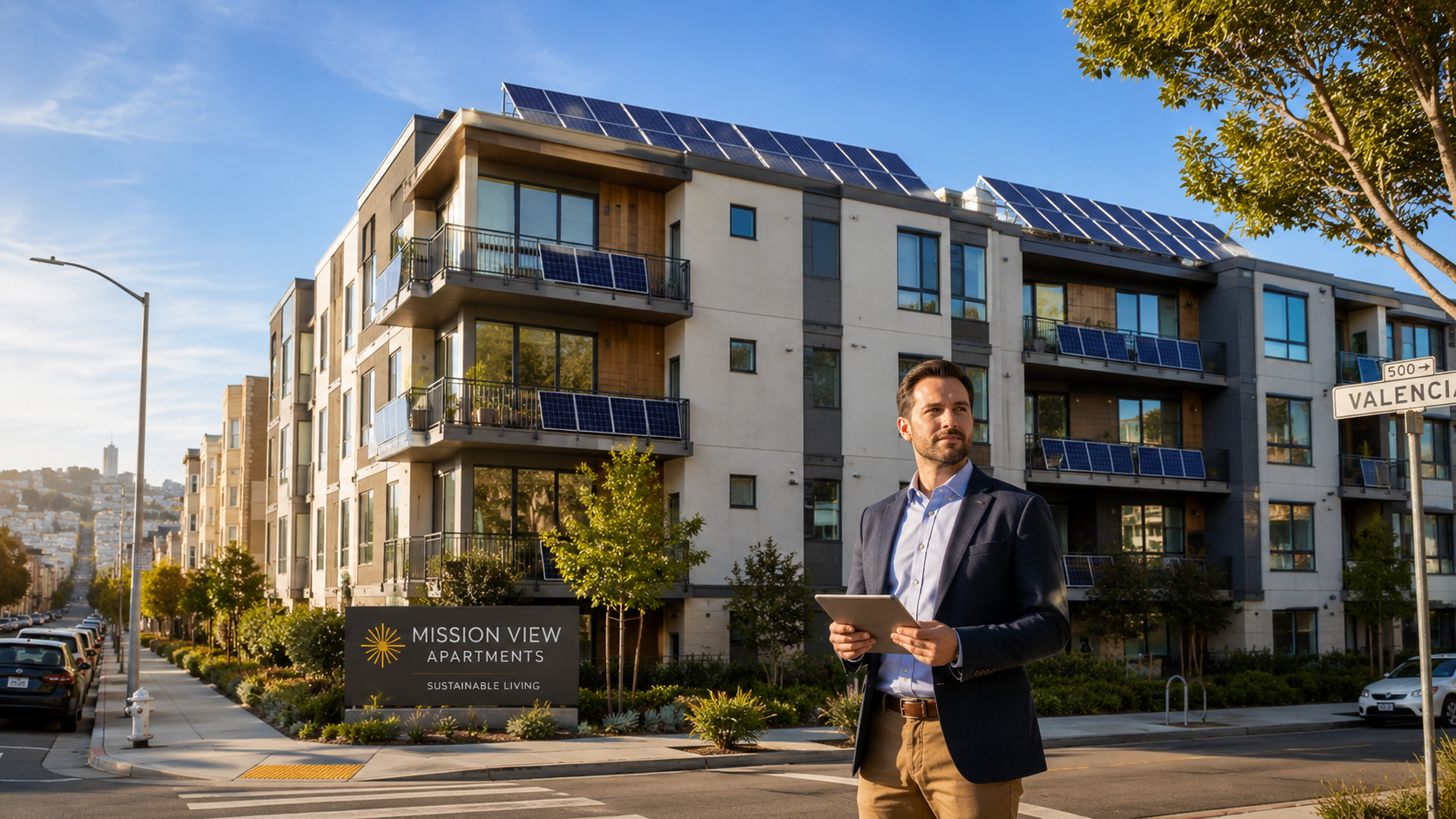
Property teams are turning clean-energy upgrades into lower overhead, stronger leasing stories, and amenities residents can actually see.

"Civic Energy helped us turn sustainability from a vague goal into an owner-side value case. The strongest part was how simple it became to explain the upgrade to residents and investors."

"I expected solar to feel like a construction headache. The assessment made the path clear: visible renter value, lower common-area costs, and a better story for lease renewals."

"The resident response changed the conversation. People could see the amenity, understand the savings, and connect the building with comfort, resilience, and lower bills."
We pair proven energy storage, controls, monitoring hardware, and durable solar products that help property teams lower overhead, improve comfort, and operate with clear energy data. Built as long-life, one-time upgrades for battery-backed energy management.
Three steps to add a visible amenity, reduce overhead, and improve tenant retention.
Enroll your building. We handle the planning and coordination.
Solar, battery storage, and smart energy systems, at zero install cost.
Higher property value, lower bills, and tenants who stay longer.
Tens of millions of homes already use Google Nest. Connecting balcony solar to that familiar dashboard gives owners a trusted amenity renters recognize and property teams can monitor.
Property owners can use the offsite store as a low-risk preview of the Civic Energy system. Walk through tenant-facing demos, compare retrofit packages, understand the Nest-style monitoring layer, and see how solar, storage, and energy visibility become a leasing advantage.

Plug-in balcony solar devices were registered by the end of 2024, with the actual market likely larger.
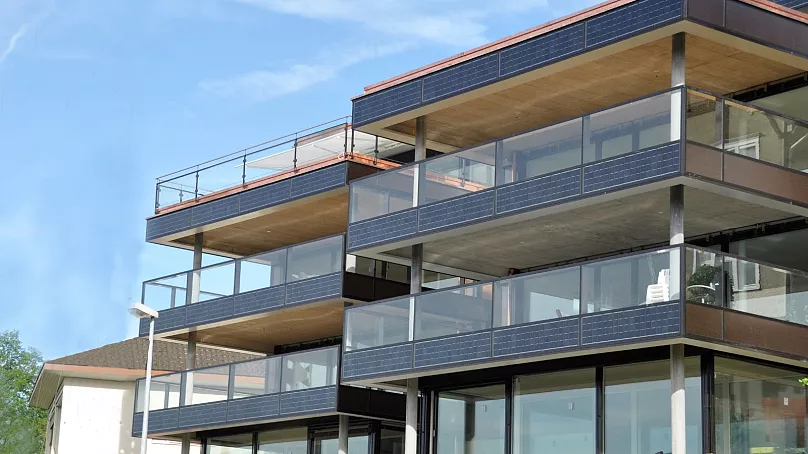
California lets multifamily owners share onsite solar credits with tenants, while Utah created a legal path for portable solar devices that meet safety rules.

Owners who make solar visible early can capture demand and keep their property from falling behind.
Zero install cost. Higher property value. Tenants who stay longer.
Register your buildingSee your return on investment.
Adjust the details below to estimate your building's solar costs, incentives, savings, and payback period.
Move the two sliders and watch the return numbers update together.
Portable solar keeps the first step flexible, visible, and easy to pilot.
projected 10-year net gain
How the current estimate breaks down.
Your building appears well positioned for a simple assessment and renter-facing energy upgrade.
We are just an email or a call away.
Hi Civic Energy team,

My apartment / building name is: [Building name]
The property address is: [Address]
I am interested in an ROI assessment for portable solar.
The building has about [number] units.

Thank you,
[Your name]
Stack federal, state, and local programs to dramatically reduce the cost of going solar for your property.
Claim 30% of your total solar system cost as a direct credit against federal taxes owed.
Learn more →Use the Modified Accelerated Cost Recovery System (MACRS) to depreciate commercial solar assets over 5 years, lowering taxable income significantly in early years.
Learn more →The Internal Revenue Code Section 179D Energy Efficient Commercial Buildings deduction rewards efficiency upgrades that pair well with solar and Nest systems.
Learn more →The Self-Generation Incentive Program (SGIP) provides rebates for installing battery storage alongside your solar system.
Learn more →Multifamily Affordable Solar Housing (MASH) offers incentives for solar installations on qualifying affordable multifamily housing.
Learn more →Property Assessed Clean Energy (PACE) financing lets you repay solar costs through your property tax bill.
Learn more →California already requires qualifying large multifamily buildings to benchmark and report energy use, and the 2025 Energy Code continues the move toward efficient, electrified, solar-ready buildings. Senate Bill 868 (SB 868) is best treated as a policy watch item for renter-accessible plug-in solar rather than a settled owner mandate.
Landlords who plan early can benchmark performance, schedule replacements for aging gas equipment, compare rebates and financing, and avoid making rushed emergency upgrades that lock in higher operating costs.
Early adoption can also pay off commercially: efficient, resilient, solar-ready buildings are easier to market to renters who care about utility bills, heat waves, outages, indoor air, and climate impact.
Buildings that measure, plan, and share benefits with tenants will be better positioned than buildings that wait for the market and policy environment to force the conversation.
Connect with Civic Energy about apartment search support, building readiness, utility pilots, and policy partnerships. We help translate household energy data into practical decisions for residents, property teams, and public systems.
Questions about green scores, savings estimates, solar access, or energy monitoring in apartment listings.
Portfolio review, retrofit priorities, tenant-facing benefits, incentives, and energy performance communication.
Aggregated insights for peak load, demand flexibility, distributed energy coordination, and housing standards.
General questions, research conversations, press, demos, and meeting requests. Response time is usually 1-2 business days.
Step inside a fully working solar-and-Nest apartment, talk to an energy advisor, and try the hardware yourself. No appointment necessary.

Walk through a real working Civic Energy apartment mock-up, from balcony panels to in-room energy displays.

Book a 1:1 session with a Nest energy specialist to plan your building's transition.

Get hands-on with the thermostat, energy monitor, and home battery before you decide.
Thanks! We'll confirm your visit by email.

Real-time visibility into your unit's energy generation and use.
Learn more →
A transparent photovoltaic film that turns existing windows into power generators.
Learn more →